Solution Deep Dive 2026-07-28 Kingneed Engineering 6 min read
Fiber Path Digital Twin: Making Every Physical Connection Visible and Traceable
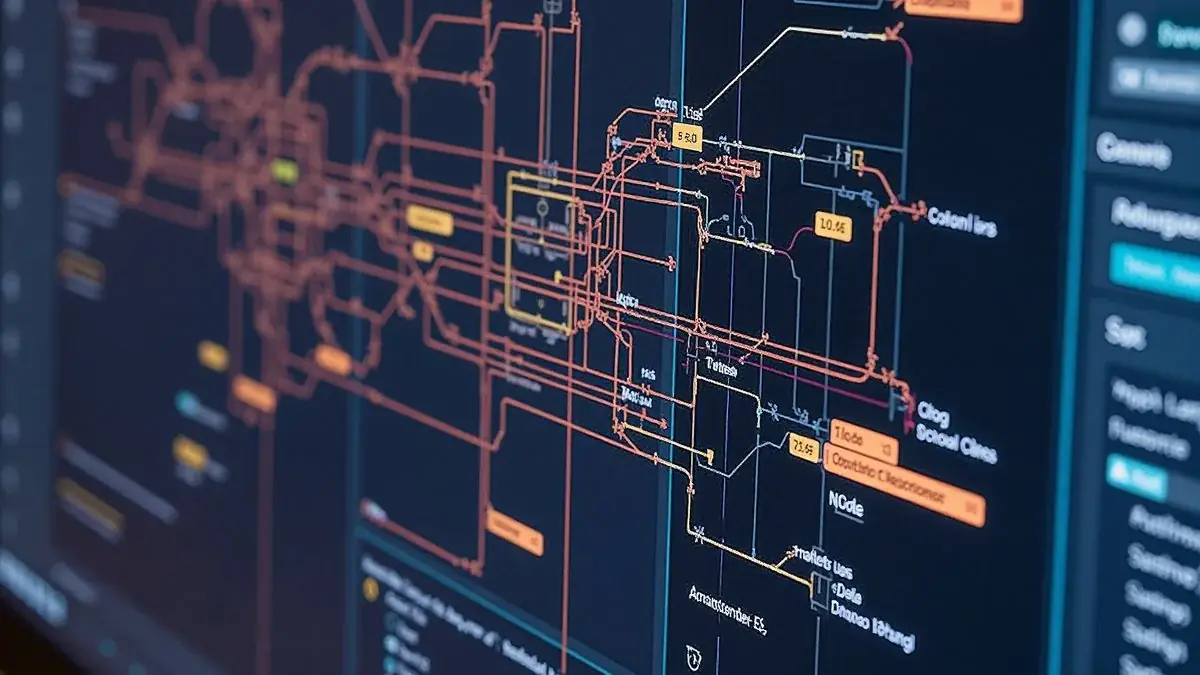
How physical fiber connection relationships become a dynamic visual topology with end-to-end path tracing, port occupancy lookup and real-time relationship verification.
From static spreadsheets to a living topology
A fiber path digital twin maps physical connection relationships, jumper by jumper and port by port, into a dynamic visual topology model. Unlike a static diagram drawn once at acceptance, the twin updates as field teams scan tags during construction, inspection and maintenance.
Three capabilities operators use daily
End-to-end path tracing: follow a service from customer port through every ODF and street cabinet to the core side
Port occupancy lookup: check whether a port is occupied, idle or reserved before dispatching a crew
Real-time relationship verification: confirm the as-built connection matches the as-designed record on site
Fault handling with full-path traceability
Every fiber link keeps full-path physical traceability. When an alarm arrives, engineers pinpoint the fault location on the topology instead of walking trays with a light source, which shortens mean time to repair and reduces truck rolls.
KE
Kingneed Engineering Team
Optical Resource Management R&D, Kingneed
Field engineers and solution architects who design, deploy and audit RFID-based passive optical network resource management systems across carrier regional networks. Articles are reviewed against pilot measurement records before publication.